Overview of Colour Brochure Printing
Colour brochure printing is a professional printing process that produces vivid, eye-catching marketing materials used to promote brands, products, and services. This form of printing leverages the full spectrum of color options to create brochures that stand out in competitive marketplaces, effectively communicating messages through compelling visuals and layout design. The process involves high-quality printing techniques that ensure color consistency, sharpness, and durability, making it an essential tool for businesses aiming to enhance their visual branding strategy.

Colour brochure printing plays a pivotal role in visual marketing efforts, allowing businesses to showcase their offerings in a format that is both informative and aesthetically pleasing. These printed materials are often distributed during promotional events, mailed directly to potential clients, or placed in strategic locations to maximize exposure. The ability to print vibrant imagery combined with detailed textual content ensures that the message resonates strongly with the target audience, boosting brand recognition and recall.
Unlike monochrome brochures, colour versions provide a dynamic visual experience that can convey brand personality, evoke emotional responses, and highlight the unique features of products or services. From corporate profiles and product catalogs to event invitations and educational pamphlets, colour brochure printing caters to diverse organisational needs, making it a versatile tool in the marketing toolkit. The advancement of digital printing technologies ensures that even small print runs maintain high quality standards, accommodating businesses of all sizes.
Effective colour brochure printing involves careful consideration of design, material, and printing techniques to achieve optimal results. The selection of vibrant inks, premium paper, and appropriate finishing touches—such as gloss or matte coatings—further enhances the overall appearance and durability of the printed pieces. Additionally, customization options allow for various folding styles and sizes, providing flexibility to tailor brochures to specific marketing goals or distribution methods.
In conclusion, colour brochure printing remains a vital component of professional marketing strategies due to its ability to deliver visually compelling messages that engage audiences and reinforce brand identity. As the demand for high-quality printed materials continues to grow, leveraging official and legitimate printing methods ensures that your brochures not only look professional but also uphold the standards necessary for effective promotion and brand representation.
Understanding the Range of Colour Brochure Formats
Choosing the appropriate brochure format is essential to effectively communicate your message and engage your target audience. Various formats serve different marketing purposes and can influence both the visual impact and functional utility of your printed materials. Common types of colour brochures include folded brochures, booklets, and pamphlets, each offering unique advantages tailored to specific needs.
- Folded Brochures: These are the most versatile options, available in multiple folding styles such as bi-fold, tri-fold, z-fold, and gate fold. Folding not only enhances visual interest but also allows for organized presentation of information, making them ideal for menus, service lists, or product highlights.
- Booklets: Compact, multi-page brochures that resemble a small book, offering ample space for detailed content. Ideal for corporate profiles, product catalogs, or event programs, booklets provide a professional platform to showcase comprehensive information in a structured manner.
- Pamphlets and Leaflets: Typically single-sided or double-sided prints, these are lightweight and easy to distribute. Suitable for promotional handouts, informational flyers, or quick service summaries, pamphlets are designed for high-impact delivery with concise messaging.
Visual Elements and Design Optimization
Effective colour brochure printing relies heavily on strategic design choices that enhance readability, aesthetic appeal, and overall brand consistency. High-quality visual presentation involves several key considerations:
- Color Harmony: Employing a cohesive color palette that aligns with brand identity aids in creating recognition and emotional resonance.
- Typography: Clear, legible fonts are crucial; font size and style should complement the overall design and ensure accessibility.
- Imagery: Using high-resolution images and graphics elevates visual interest and supports the messaging. Striking visuals can capture attention quickly and communicate complex ideas effectively.
- Whitespace: Adequate spacing prevents clutter, allowing essential elements to breathe and guiding viewers through content seamlessly.
Design consistency across all printed materials reinforces brand professionalism and helps establish a memorable identity. Attention to detail in layout, color usage, and visual hierarchy determines how well the brochure resonates with its intended audience.
Material Selection for Durability and Appeal
The choice of paper and finishing materials greatly impacts the tactile experience and longevity of colour brochures. Selecting the right materials aligns with your branding goals, target audience, and budget constraints. Options include:
- Paper Types: Gloss, matte, satin, or silk finishes each offer distinct visual effects. Gloss paper enhances vibrancy and image sharpness, perfect for photographic content. Matte or satin finishes provide a sophisticated look with reduced glare, suitable for text-heavy brochures.
- Weight and Thickness: Heavier papers (e.g., 150gsm and above) convey quality and durability, ideal for premium brands or extensive handling. Lighter weights are suitable for mass distribution or cost-effective options.
- Specialty Papers: Textured, recycled, or environmentally friendly papers can set your brochure apart and align with corporate responsibility initiatives.
Finishing touches like gloss or matte coatings add protection and visual enhancement, extending the lifespan of printed materials while making colours pop or adding a subtle elegance.
High-Quality Printing Techniques and Standards
Ensuring colour accuracy, sharpness, and consistency requires using advanced printing technologies that adhere to high-quality standards. Modern digital and offset printing methods provide precise reproductions of complex graphics and colour gradients.
- Offset Printing: Suitable for large quantities, offset printing delivers vibrant colours with excellent detail reproduction, maintaining consistency across batches.
- Digital Printing: Ideal for short runs or quick turnaround, digital printing offers flexibility with comparable quality, suitable for custom or variable data printing.
- Color Management: Implementing colour calibration and ICC profiles ensures that colours match your brand specifications, regardless of printing batch or substrate.
Adhering to industry-standard resolution settings (typically 300 dpi) guarantees sharp images and crisp text, enhancing overall professional appearance.
Customizations and Folding Styles for Unique Presentations
Tailoring brochure designs with specific folding styles and custom features adds a distinctive touch, aligning with branding and campaign objectives. Customizations include:
- Folding Styles: Options such as bi-fold, tri-fold, Z-fold, and gate fold allow for varied content presentation and creative visual layouts.
- Die-Cutting: Unique die-cut shapes and custom substrates create memorable tactile experiences and can highlight particular elements of your message.
- Insert Options: Additional inserts, pockets, or fold-outs can be incorporated for more complex or interactive brochures.
Working with experienced printers enables precise die-cutting and folding to ensure finished products meet your specifications with precision and clean edges.
Efficient Turnaround and Cost Optimization
Understanding the factors influencing production timelines and costs is essential for effective planning. Factors such as quantity, materials, and complexity of design directly impact the overall investment and delivery schedule.
- Turnaround Times: Standard production times range from a few days to a week, with options for expedited services to meet tight deadlines.
- Pricing Considerations: Bulk printing typically reduces the unit cost, making large orders more economical. Digital printing offers cost-effective solutions for smaller runs or rapid deployment.
- Budget Planning: Working closely with your printer to select materials, finishes, and formats within your budget helps ensure project success without compromising quality.
Clear communication about expectations and specifications facilitates a smooth printing process, enabling your brochures to reach your audience promptly and professionally.
Official Methods for Colour Brochure Printing
When aiming for high-quality colour brochure printing, utilizing official and reputable methods ensures the final product meets professional standards and effectively represents your brand. The printing process begins with selecting a certified printing service that employs industry-standard equipment and adheres to strict quality assurance protocols. Reliable printers employ advanced digital or offset printing technologies, which guarantee consistent colour accuracy, sharp image reproduction, and durable finishes.
Pre-press preparation is an essential step, involving the use of high-resolution design files formatted per printer specifications. Proper colour management during this phase is crucial; it employs calibrated monitors and colour profiles to ensure the vibrancy and accuracy of the colours in your brochure translate perfectly from screen to print.

It’s also vital to choose environmentally responsible printing options, such as using paper sourced from sustainably managed forests and eco-friendly inks. These practices not only adhere to responsible business standards but also promote sustainability goals without compromising print quality.
Quality Control and Printing Standards
Reputable colour brochure printing services incorporate rigorous quality control measures at every stage of production. This includes strict inspection of print proofs, verification of ink consistency, and monitoring colour fidelity using spectrophotometers. Many established printers also participate in industry quality standards, such as ISO certifications, to ensure consistency and reliability.
Standard quality assurances involve colour calibration, proper registration, and finishing processes like cutting, folding, and binding that maintain clean edges and precise folds, all completed under controlled conditions. These practices ensure that each brochure produced is a reflection of the planned design, with noblemish and maximum professional impact.
Legitimate Techniques in Colour Brochure Printing
- Offset Printing: Ideal for large volume production, offset printing provides vibrant colours and sharp details with cost efficiency at scale.
- Digital Printing: Suitable for smaller quantities or rapid turnarounds, digital methods offer excellent colour fidelity and flexibility without the need for plates.
- Screen Printing: Less common in brochure printing but effective for specific finishes or special effects requiring unique ink applications.
Choosing the appropriate technique depends on factors such as order volume, budget, and desired finish. Reputable printers use these professional techniques to produce brochures that meet exacting standards for colour consistency, durability, and overall presentation quality.
Cost and Time-Efficient Practices
Engaging with established print professionals means benefiting from optimized workflows that align with your schedule and budget. Standard production times range from a few days to a week, with options available for expedited services when necessary. Bulk printing significantly decreases per-unit costs, making larger campaigns more economical, while digital options enable cost-effective small runs and quick deployment.
Moreover, understanding the influence of material choices on costs and timelines helps manage expectations and streamline decision-making processes. Collaboration with experienced printers facilitates the selection of sustainable materials and finishes that complement your brand’s aesthetics without exceeding your budget, ensuring that your marketing materials reach your audience promptly and professionally.
Attention to Detail for Professional Results
Legitimate printing methods also prioritize meticulous attention to detail, ensuring that every element from colour matching to finishing aligns with your specifications. Professional printers utilize proofing stages, where you review a digital or printed sample, allowing for adjustments before the final run. This step minimizes errors and guarantees that the completed brochures perfectly reflect your branding strategies.
Ensuring Colour Accuracy through Legitimate Printing Methods
Achieving consistent and vibrant colours in brochure printing hinges on the use of proven, legitimate techniques that adhere to industry standards. When partnering with reputable print providers, clients benefit from meticulous colour management protocols. These protocols include the use of calibrated monitors and lighting conditions for digital proofs, ensuring what appears on-screen aligns with the final printed product. Moreover, physical proofing stages—such as colour-accurate digital or paper proofs—allow for review and approval before mass printing, thus reducing discrepancies. Quality assurance strategies extend to the employment of high-quality printing presses, precisely maintained to reproduce colours with fidelity. These sophisticated presses use standardized inks and calibration procedures to maintain colour consistency across multiple print runs. The resulting brochures reflect the intended design, precisely matching brand colours and visual identity, which is critical for maintaining professionalism and brand recognition. Additionally, colour gamut management is a core aspect of legitimate printing. Professionals leverage industry-standard colour profiles and workflows, including ICC profiles tailored to specific paper stocks and inks. This process ensures that colours are accurately translated from digital designs to physical prints, preventing unwanted shifts and maintaining the integrity of the original artwork. To further reinforce quality, firms often utilize advanced spectrophotometers during the proofing phase to scan and compare printed colours against the original digital files. This data-driven quality control method confirms that the final print meets exact colour specifications, contributing to a polished, professional appearance that aligns with your brand standards. By investing in these officially supported procedures, businesses ensure their colour brochures not only attract attention but also uphold a high standard of visual integrity, fostering trust and recognition among target audiences. Such dedicated approaches exemplify a commitment to delivering impeccable print finishes that support strategic marketing objectives without compromise.
Additional Methods for Ensuring Quality in Colour Brochure Printing
Maintaining colour accuracy and high-quality finishes in brochure printing relies heavily on established, reputable practices that adhere to industry standards. Legitimate print service providers utilize an array of official methods to guarantee the integrity of each print run, ensuring that the final products meet precise colour expectations and durability requirements.
Use of Industry-Standard Colour Management Software
Colour management software plays a pivotal role in professional brochure printing. Through the use of ICC (International Colour Consortium) profiles, printers can standardize colour reproduction across different devices and media. This software facilitates calibration between digital files and physical outputs, preventing unwanted colour shifts and ensuring consistency across multiple copies or batches.

Calibration of Printing Presses and Equipment
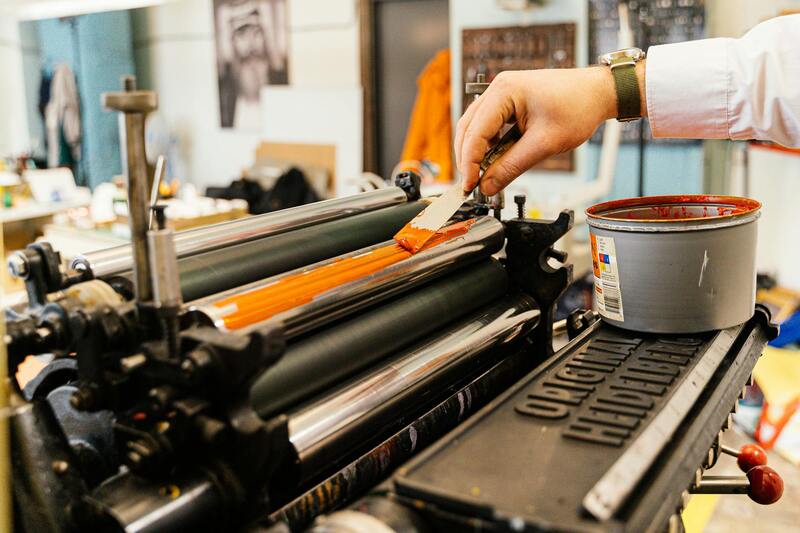
Calibration is a critical step in legitimate printing workflows. Professionals regularly calibrate presses, monitors, and other equipment using industry-approved tools like spectrophotometers and densitometers. These instruments verify that inks are applied accurately, and that colours align with digital designs after the calibration process. Routine calibration guarantees uniformity, reducing variability and upholding the visual standards expected from premium colour brochures.
Pre-Press Proofing and Quality Control Procedures
Quality assurance begins well before the actual printing process with comprehensive proofing. Digital or physical proofs are generated and meticulously compared against original design files using advanced colour measurement tools. If discrepancies are detected, adjustments are made to the digital files or printing parameters. This pre-press phase is vital for verifying colour fidelity, resolution, and finish quality, ensuring the final brochures resonate with the intended design and branding guidelines.
Implementation of Quality Control in Production
During production, ongoing quality control checks are necessary. Trained operators continuously monitor print outputs, inspecting colour consistency, registration, and finishing aspects such as lamination or coatings. Random sampling and comparison with initial proofs help maintain standards throughout the entire process. Employing official methods like colour spectrophotometry to scan printed sheets ensures that the output remains within specified colour tolerances, thereby sustaining the brand’s visual integrity.
Advanced Colour Verification Technologies
Utilizing spectrophotometers and colourimeters is a definitive way to validate final prints against digital standards. These devices quantify colour values with high precision, confirming that every brochure matches the original design intent. This approach offers an objective, data-driven method of quality assurance, and is a hallmark of reputable printing operations committed to delivering excellence.
Leveraging these verified, standardized practices ensures that colour brochure printing produces vibrant, accurate, and professional-looking materials. The consistency achieved through legitimate methods enhances brand perception and fosters trust among clients and partners, reinforcing the financial investment in premium print collateral.
Adherence to Official Colour Standards During Production
Implementing official colour standards is fundamental to achieving consistency and accuracy in colour brochure printing. Reputable printers follow calibrated procedures aligned with industry-recognized colour management systems, such as the International Colour Consortium (ICC) profiles. These profiles ensure that digital designs are accurately translated into printed colours, maintaining brand integrity across multiple print runs. Moreover, the use of standardized colour spaces like sRGB and Adobe RGB during design creation facilitates predictable and reliable colour reproduction.
Throughout the printing process, strict adherence to colour measurement protocols is vital. These include the use of high-precision instruments such as spectrophotometers and colourimeters to verify that printed colours align closely with digital standards. Such devices provide objective data on colour values, enabling operators to make necessary adjustments in real-time, thereby preventing colour deviations from affecting the final product. This disciplined approach guarantees that each brochure sent to production consistently reflects the original design specifications.
Quality Control Measures for Colour Accuracy
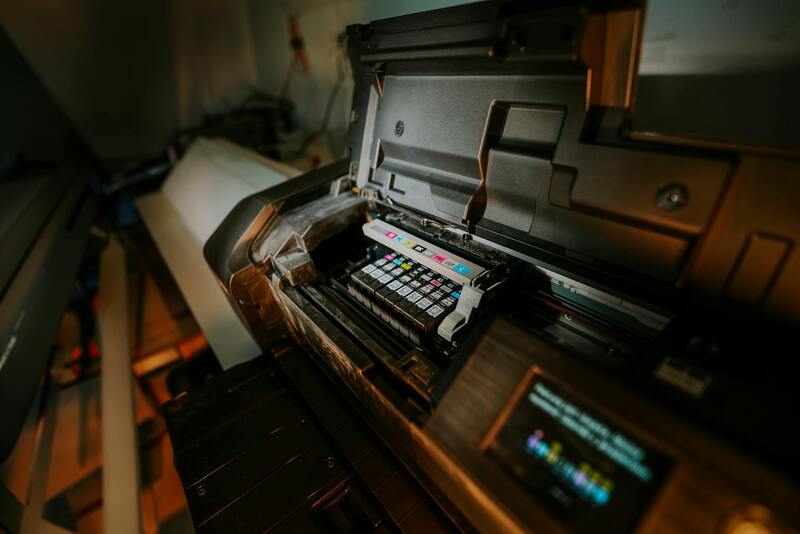
Rigorous quality control processes are embedded at every stage of colour brochure production. During pre-press checks, all digital files undergo comprehensive assessments to confirm colour profiles, resolution, and file integrity. This ensures that the printed output will match intentions precisely.
In the pressroom, dedicated quality control teams perform ongoing inspections. Consistent checks involve comparing printed samples against approved proof copies, checking for colour consistency, precise registration, and finishing quality. Random sampling from the production batch mitigates the risk of colour shifts or inconsistencies, safeguarding the visual impact of the brochures.
Final verification often involves the deployment of official verification tools, such as spectrophotometers, which quantitatively compare sample sheets with digital standards. This data-driven validation confirms that each run conforms to stringent quality parameters, reinforcing the reliability of the print process.

Investment in Advanced Verification Technologies
Employing cutting-edge colour verification technology elevates the reliability of colour brochure printing. Spectrophotometers and colourimeters not only deliver precise measurements but also streamline the quality assurance workflow. These devices can rapidly scan large quantities of printed sheets, generating detailed colour data that can be stored for future reference or quality audits.
High-end printers integrate such technologies seamlessly into their operations, establishing a consistent colour output that aligns with digital specifications. This integration minimizes human error, reduces waste, and accelerates the production timeline, all while ensuring an impeccable final product.
The use of these legitimate, scientifically validated methods exemplifies a commitment to delivering high-quality printed materials. When colour accuracy is consistently maintained, client satisfaction increases, and brand reputation remains intact, illustrating the direct benefits of investing in proven quality assurance technologies.
Official and Legitimate Colour Brochure Printing Methods
Ensuring the authenticity and quality of colour brochure printing involves adherence to tested, proven methods that are widely recognized within the printing industry. These methods focus on maintaining colour consistency, durability, and high-resolution output that accurately reflects the digital design. When selecting a printing service or technique, it is crucial to verify that they utilize established technologies and quality assurance practices to produce reliable, professional results.
Certified Printing Technologies
Utilizing certified printing equipment is fundamental in guaranteeing colour accuracy and print quality. High-end commercial printers integrate state-of-the-art technology such as offset printing and digital presses that comply with industry standards. These machines are calibrated regularly using official colour management tools, like spectrophotometers and colourimeters, which objectively measure and match printed colours according to digital standards. This calibration process ensures consistent output across large batches, reducing variability and enhancing the overall reliability of the print run. Additionally, legit print providers employ ISO-certified processes, adhering to globally recognized quality management systems that oversee every stage of production—from pre-press preparations to final output.
Quality Assurance and Verification Procedures
Before large-scale printing commences, printed samples undergo rigorous quality checks. These tests involve official verification tools that compare printed colours with digital standards, confirming adherence to specified palettes. Continuous monitoring during the print run guarantees consistency, capturing potential deviations early and allowing for adjustments. Employing validated colour management workflows not only secures colour fidelity but also maintains consistent texture, finish, and opacity. Such meticulous verification processes reflect a commitment to delivering precisely what clients envision, keeping the production aligned with industry benchmarks.
Material Integrity and Eco-Friendly Practices
Using legitimate, high-quality paper stocks and environmentally approved inks adds another layer of authenticity to brochure production. Certified materials from reputable suppliers ensure durability and vibrancy, vital for impactful marketing collateral. Many responsible printers also opt for eco-friendly inks and sustainable substrates, aligning with industry initiatives that promote environmental stewardship while delivering excellent print outcomes. These legitimate choices contribute to a professional appearance that upholds the integrity of the brand image.
Documented Processes and Transparency
Reliable printing companies provide clear documentation of their procedures, including equipment calibration records, quality assurance reports, and material specifications. Transparency about the production process reassures clients of the legitimacy of the methods used, emphasizing adherence to industry standards. This documentation often accompanies final products, serving as proof of quality and compliance with best practices.
Summary of Proven Methods for Legitimate Colour Brochure Printing
- Utilization of certified, high-precision printing machinery calibrated to industry standards.
- Implementation of rigorous quality control protocols involving official colour measurement tools.
- Use of certified, high-grade materials resistant to fading and wear.
- Adherence to documented production workflows and quality management systems.
- Employment of environmentally responsible inks and substrates verified by recognized certifications.
Ensuring Quality and Legitimacy in Colour Brochure Printing
Adherence to Certified Manufacturing Processes
Legitimate colour brochure printing relies heavily on the use of processes and equipment that meet strict industry standards. Reputable printing houses utilize high-precision presses calibrated regularly to ensure color consistency and sharp image reproduction. These machines are maintained according to manufacturer specifications and undergo frequent quality assessments, which are documented meticulously to provide transparency. This approach guarantees that each brochure produced adheres to a uniform quality threshold, reflecting professionalism and reliability.
Use of Recognized Certification and Material Standards
Officially certified substrates and inks form the backbone of compliant brochure printing. Certified papers, such as those with FSC or PEFC labels, confirm sustainable sourcing and quality assurance. Similarly, inks that are VOC-compliant and environmentally responsible meet established environmental and safety criteria. Printing companies committed to legitimacy prominently feature these certifications in their operational protocols, demonstrating their dedication to ethical and industry-approved practices. These verified materials also enhance the durability and vibrancy of printed brochures, ensuring they maintain visual appeal over time.
Comprehensive Quality Control Protocols
- Pre-Press Verification: Before printing begins, files are meticulously checked for color accuracy, resolution, and layout correctness, aligning digital proofs with the final printed product.
- In-Process Inspection: During printing, official color measurement tools such as spectrophotometers are employed to monitor and adjust color fidelity continually.
- Post-Production Review: Final products are inspected against industry standards for consistency, color matching, and defect presence, ensuring exceptional quality with each batch.
Transparent Documentation and Traceability
Legitimate printing services maintain detailed records covering every stage of the production process. This includes equipment calibration logs, material batch numbers, and quality assurance reports. Such documentation provides accountability and traceability, reinforcing trust in the legitimacy of the production method. When clients receive their brochures, accompanying certificates or attestations offer verifiable proof that industry standards and best practices were rigorously followed.
Environmental Compliance and Responsible Practices
Responsible brochure printers often integrate eco-friendly practices into their operations without compromising quality. They choose environmentally certified inks and sustainable substrates, supporting broader industry initiatives for environmental stewardship. These practices align with global standards and are verifiable through recognized certifications, further emphasizing a commitment to environmentally conscious manufacturing.